As equine wellness technology continues to evolve, horse owners are presented with more therapeutic options than ever before. Two of the most discussed modalities today are Red Light Therapy (also known as Photobiomodulation) and PEMF (Pulsed Electromagnetic Field) therapy. While both are non-invasive and widely used in equine care, they function very differently and serve distinct purposes.
Understanding how each technology works will help you make an informed decision for your horse's recovery, performance, and long-term wellness.
What Is Red Light Therapy for Horses?
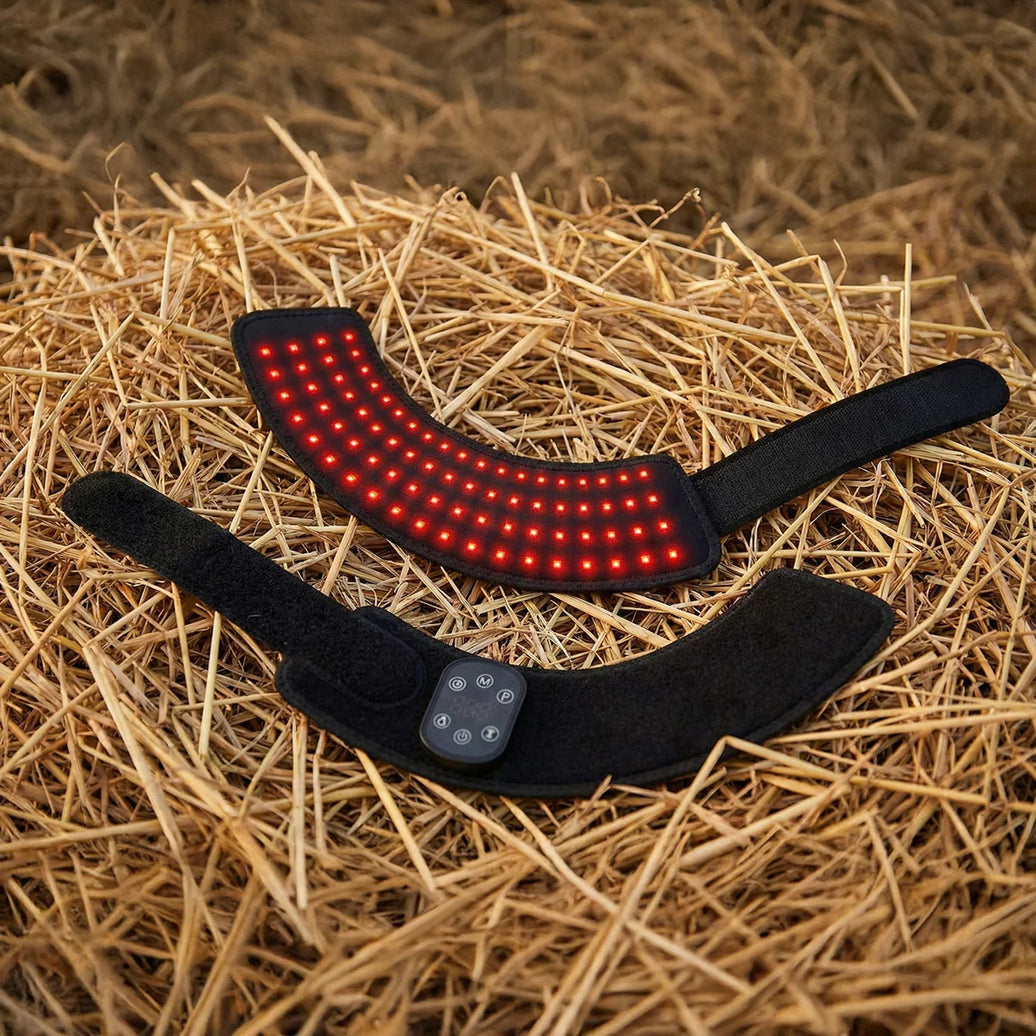
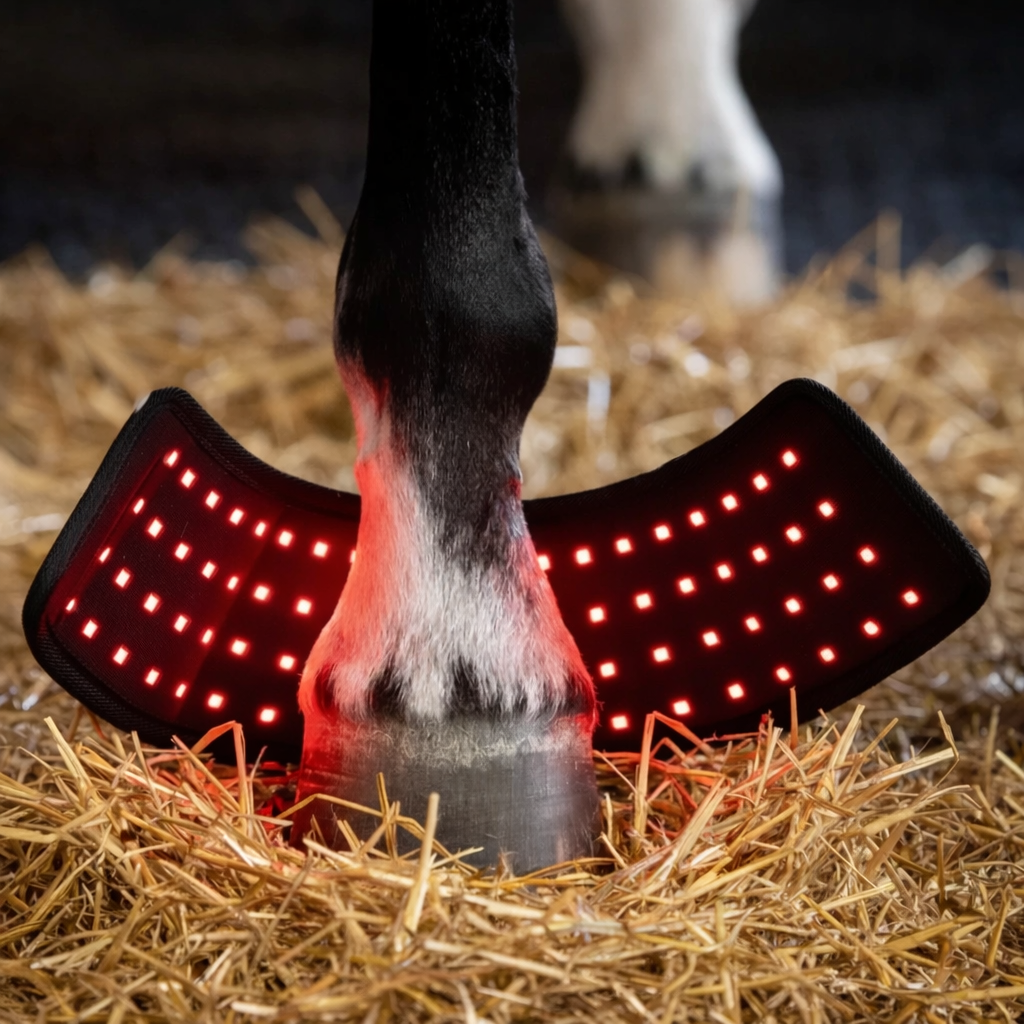
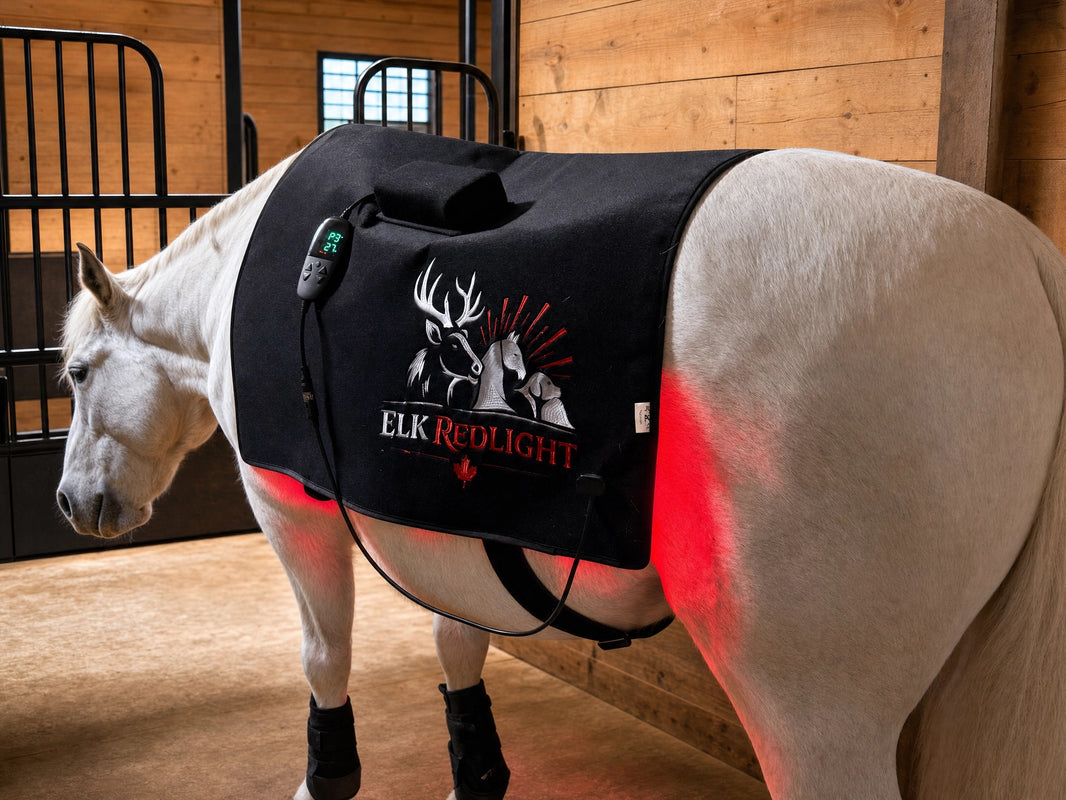
Red Light Therapy uses specific wavelengths of red (around 660nm) and near-infrared light (around 850nm) to penetrate the skin and reach muscles, joints, tendons, and connective tissue.
How It Works
Red and infrared light are absorbed by the mitochondria inside cells, stimulating cellular energy (ATP) production. This enhanced cellular activity supports the body's natural healing processes.
Key Benefits of Red Light Therapy for Horses
- Supports muscle recovery and relaxation
- Helps reduce inflammation and stiffness
- Promotes circulation and oxygen delivery
- Encourages tissue repair and cellular regeneration
- Assists with joint comfort and mobility
- Non-heating, gentle, and safe for frequent use
Common Uses
- Post-training or competition recovery
- Tendon and ligament support
- Back, neck, hock, and leg care
- General wellness and maintenance
Red Light Therapy is particularly valued for its ease of use, consistency, and suitability for regular sessions, making it ideal for both performance horses and aging companions.
What Is PEMF Therapy for Horses?
PEMF therapy uses pulsed electromagnetic fields to influence cellular signaling and ion exchange within the body.
How It Works
Electromagnetic pulses interact with the horse's cells to support circulation, nerve stimulation, and cellular communication. PEMF is often used in short, targeted sessions.
Key Benefits of PEMF Therapy
- May help stimulate circulation
- Supports nerve and muscle signaling
- Can assist with stiffness and soreness
- Often used as an adjunct therapy
Considerations
- Sessions are typically shorter and less frequent
- Some horses are sensitive to electromagnetic stimulation
- Equipment is often larger and less portable
- Results may vary based on frequency and settings
PEMF is commonly used for specific conditions or as a complementary therapy, rather than daily wellness maintenance.
Which Therapy Is Best for Your Horse?
Both technologies can be beneficial, but they serve different roles.
- Choose Red Light Therapy if you want a reliable, non-stressful solution for daily recovery, inflammation management, joint care, and overall wellness.
- Choose PEMF if you are addressing specific neurological or circulation-focused concerns and prefer short, targeted sessions.
Many equine professionals view Red Light Therapy as a foundational wellness tool, while PEMF may be used occasionally or alongside other modalities.
Why Red Light Therapy Is Becoming a Staple in Equine Wellness
Red Light Therapy has gained widespread adoption in the equine world because it is:
- Non-invasive and drug-free
- Easy to integrate into daily routines
- Well tolerated by sensitive horses
- Supported by growing scientific research
For horse owners seeking a practical, effective, and horse-friendly therapy, red and near-infrared light continue to stand out as a trusted solution.
Final Thoughts
When it comes to supporting your horse's health, recovery, and longevity, understanding the tools available is essential. While PEMF and Red Light Therapy both offer benefits, Red Light Therapy provides a versatile, accessible option for consistent equine care, from high-performance athletes to beloved companions.
If your goal is ongoing wellness, recovery, and comfort, red light therapy is often the most practical place to start.