Red light therapy has moved from sports medicine clinics into veterinary care — and for good reason. It's non-invasive, drug-free, and supported by a growing body of research showing real benefits for dogs dealing with pain, injury, and age-related conditions. This guide covers everything you need to know: the science, the conditions it helps, how to use it safely, and what to look for in a device or wrap.
What Is Red Light Therapy?
Red light therapy — also known as photobiomodulation (PBMT) or low-level laser therapy (LLLT) — uses specific wavelengths of red (630–670nm) and near-infrared (800–850nm) light to penetrate skin and tissue. Unlike UV light, these wavelengths are safe, non-thermal, and non-ionizing.
The mechanism: light energy is absorbed by photoreceptors in the mitochondria of cells, triggering a cascade of biological responses — increased ATP production, reduced oxidative stress, modulated inflammation, and accelerated tissue repair.
Conditions Red Light Therapy Can Help in Dogs
Arthritis & Joint Pain
One of the most common applications. PBMT reduces joint inflammation, supports circulation, and modulates pain signalling — helping arthritic dogs move more comfortably without relying solely on medication. Read our deep dive on red light therapy for dogs with arthritis.
Muscle Soreness & Recovery
Working dogs, sport dogs, and active breeds benefit from faster muscle recovery after exertion. Red light therapy reduces delayed onset muscle soreness and supports tissue repair.
Post-Surgery Recovery
PBMT is used in veterinary rehabilitation to accelerate healing after orthopaedic surgery, reduce scar tissue formation, and manage post-operative pain.
Injuries & Soft Tissue Damage
Sprains, strains, and soft tissue injuries respond well to photobiomodulation, which promotes cellular repair and reduces inflammation in the affected area.
Age-Related Stiffness
Senior dogs often experience general stiffness and reduced mobility. Regular red light therapy sessions can support comfort and quality of life as dogs age. See how one senior dog's owner used the ELK wrap.
Skin & Wound Healing
Red light wavelengths support collagen production and cellular regeneration, making PBMT useful for wound healing and certain skin conditions.
How to Use Red Light Therapy on Your Dog
- Session length: Typically 10–20 minutes per area, once or twice daily.
- Consistency matters: Results build over time. Most owners notice meaningful improvement within 2–4 weeks of regular use.
- Positioning: The device or wrap should be in direct contact with or very close to the skin/coat for optimal light penetration.
- Safety: Avoid directing light at eyes. Do not use over active tumours, open wounds (unless specifically indicated), or areas of unknown pathology without veterinary guidance.
- Coat considerations: Red and near-infrared light penetrates through a dog's coat, though thinner coats allow for slightly better penetration.
What to Look for in a Red Light Therapy Wrap for Dogs
- Correct wavelengths — look for 630–670nm (red) and 800–850nm (near-infrared) for proven tissue penetration
- Adequate irradiance — power output matters; too low and the therapy won't be effective
- Anatomical fit — a wrap designed for canine body shape ensures consistent coverage of the target area
- Ease of use — your dog needs to tolerate wearing it; adjustable, secure designs work best
- Quality construction — medical-grade materials and reliable LED arrays matter for consistent dosing
The ELK Dog Back Red Light Therapy Wrap
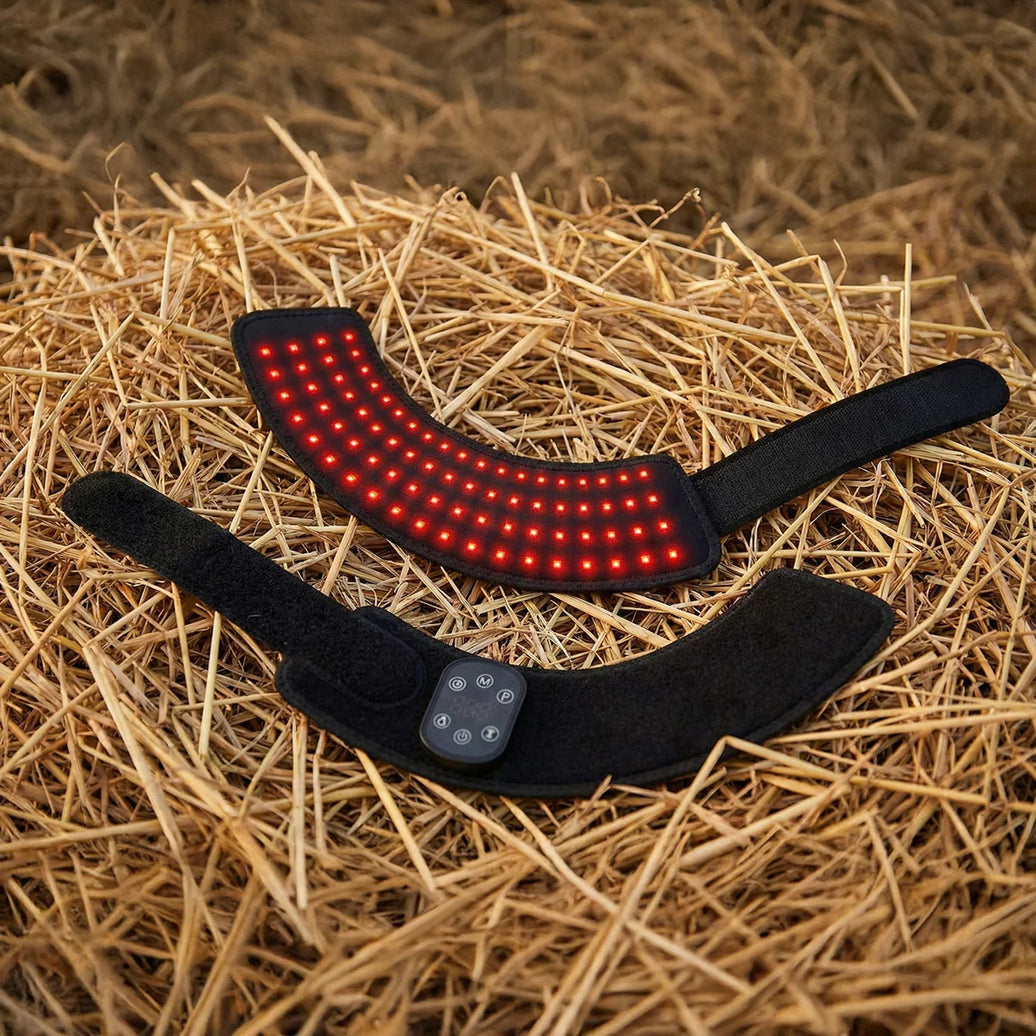
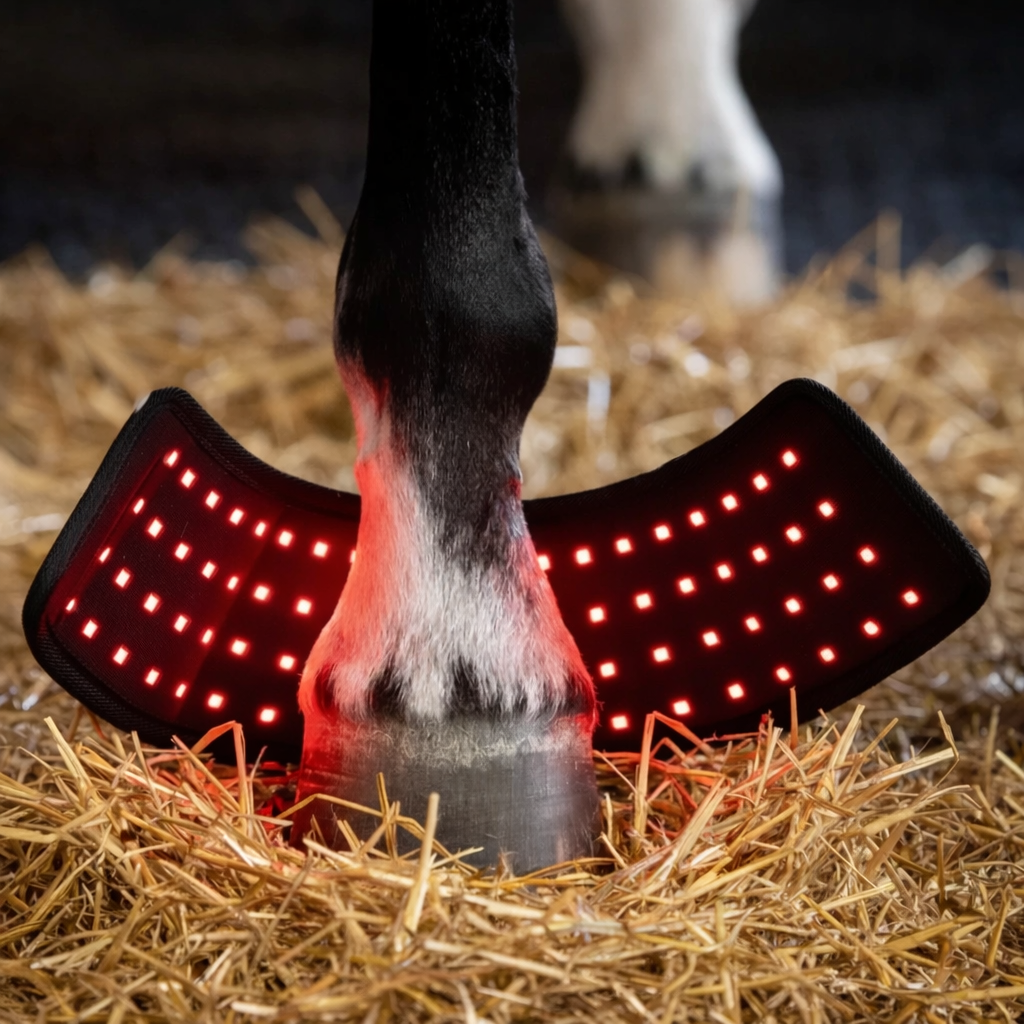
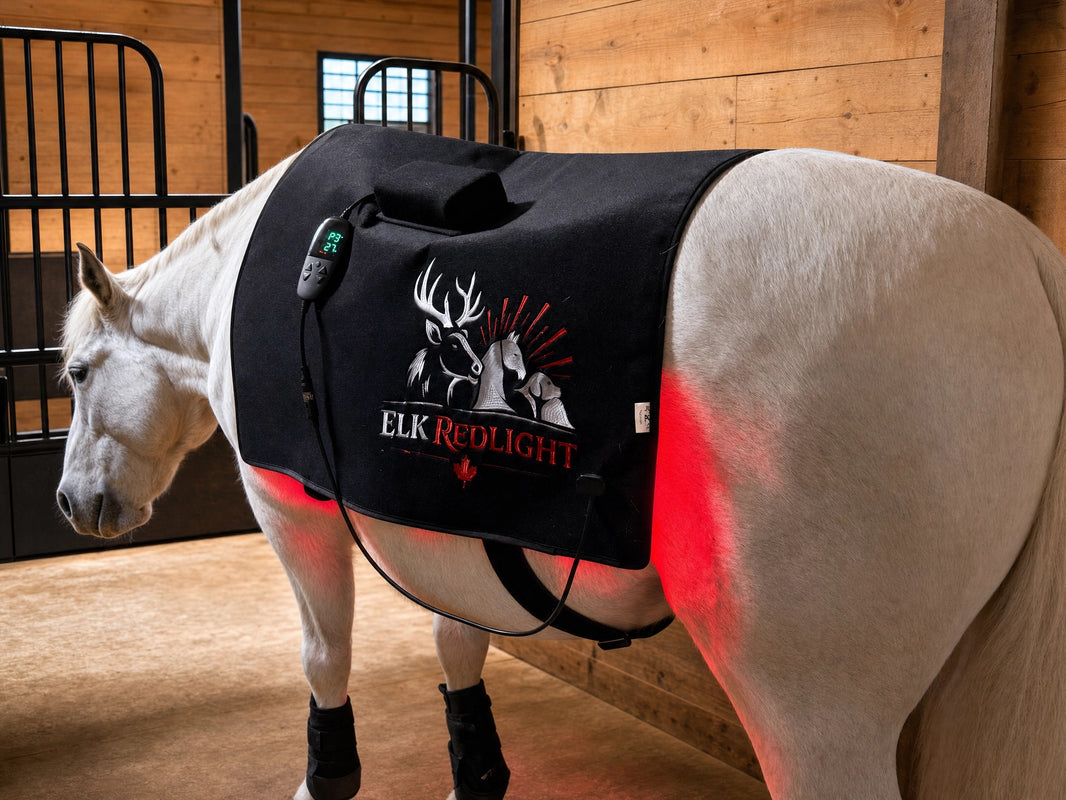
The ELK wrap is designed specifically for dogs, delivering targeted red and near-infrared light to the back and topline. It's built for at-home use — no clinic visits, no complicated setup. Consistent, hands-free treatment your dog can receive while resting.
👉 Shop the ELK Dog Back Red Light Therapy Wrap
Frequently Asked Questions
Is red light therapy safe for dogs?
Yes, when used as directed. Red and near-infrared wavelengths are non-thermal and non-ionizing. Always follow usage guidelines and consult your vet if your dog has a specific health condition.
How long before I see results?
Most owners notice changes within 2–4 weeks of consistent daily use. Chronic conditions may take longer.
Can I use it alongside medication or other treatments?
Red light therapy is generally used as a complementary therapy alongside veterinary care. Always inform your vet of any therapies you're using.
How often should I use it?
Once or twice daily is typical. Follow the guidelines provided with your specific device.