When a horse feels tight through the back, short in the stride, or reluctant to go forward, owners naturally look for ways to support comfort and recovery. That is why red light therapy for horses has become a familiar part of rehabilitation and maintenance routines.
But does red light therapy work for horses? The measured answer is yes: equine red light therapy can be a useful adjunct for comfort, soft-tissue recovery, and inflammation management when the right wavelength, dose, and veterinary plan are used. It is not a replacement for diagnosing lameness, treating an infection, or correcting a structural problem. Results depend on the condition, the device, tissue depth, coat characteristics, and consistent use.
This guide explains the science of equine photobiomodulation, the conditions it may support, and why wavelength matters for large animals with dense coats, deep joints, and powerful muscles.
What Is Red Light Therapy for Horses?
Red light therapy is a non-invasive form of photomedicine. It is commonly called photobiomodulation (PBM), low-level light therapy, or laser/light therapy. PBM uses selected red and near-infrared wavelengths to deliver light energy to tissue. It can be delivered by laser or light-emitting diode (LED) systems; the practical effect depends on wavelength, intensity, treatment area, time, and how effectively light reaches the target tissue.
The term "red light" is broad. Some devices use visible red light, while others use near-infrared light, which people cannot see. Both can be used in PBM, but they are selected for different treatment depths. That distinction is important when the target is a deep back muscle, a tendon region, or a hock rather than skin-level tissue.
In plain language: Photobiomodulation uses specific wavelengths of light to support cellular activity. It is a supportive modality, not a standalone diagnosis or cure.
How Equine Photobiomodulation Works at the Cellular Level
Cells require energy to maintain normal function and respond to injury. Much of that energy is produced in the mitochondria, which make adenosine triphosphate (ATP). In PBM research, cytochrome c oxidase in the mitochondrial respiratory chain is considered a key photoacceptor for red and near-infrared light. Light absorption is proposed to influence mitochondrial signaling, ATP production, nitric oxide signaling, reactive oxygen species, and downstream gene expression.
These mechanisms help explain why light therapy is studied for comfort, tissue repair, and circulation. They do not mean that any red light at any dose produces the same result. Wavelength, irradiance, energy density, contact with the coat, treatment duration, and repeat schedule all affect the dose that reaches the tissue.
| Proposed response | What it may mean for a horse | Practical takeaway |
|---|---|---|
| Mitochondrial signaling and ATP support | Cells may have more energy available for normal repair processes. | Use a purpose-built device and follow its protocol; more time is not necessarily better. |
| Circulation-related signaling | May support local blood flow and oxygen availability. | Pair therapy with suitable exercise, rest, nutrition, and rehabilitation. |
| Modulation of inflammatory signaling | May support comfort and swelling management in appropriate cases. | New or significant heat, swelling, or lameness still needs veterinary assessment. |
Does Red Light Therapy Work for Horses? What the Research Says
Research in horses is still developing, and devices, doses, and conditions vary. Nevertheless, several equine studies provide meaningful support for photobiomodulation in specific settings.
A randomized clinical trial of 61 actively competing Quarter Horses with thoracolumbar back pain found that the tested low-level laser protocol significantly reduced back pain, epaxial muscle hypertonicity, and trunk stiffness. Combining laser therapy with chiropractic care produced additional improvements, reinforcing the value of a multimodal plan rather than a single "quick fix".
A second randomized study followed 26 horses with tendon and ligament injuries that received either high-intensity laser therapy plus rehabilitation or rehabilitation alone. The treated group received 15 sessions. At the end of the study period, pain, swelling, visual lameness, and lesion percentage were significantly improved in the treatment group, although lesion echogenicity did not differ significantly. These findings are encouraging, but they do not prove that every device, protocol, or injury will respond the same way.
| Equine evidence | What researchers observed | What owners should take from it |
|---|---|---|
| Back-pain trial in 61 performance Quarter Horses | Significant reductions in back pain, epaxial muscle hypertonicity, and trunk stiffness. | PBM may be useful within a broader plan for muscular back discomfort. |
| Tendon/ligament study in 26 horses | Improved pain, swelling, visual lameness, and lesion percentage after 15 treatments alongside rehabilitation. | Light therapy may support rehabilitation; it does not replace imaging, controlled exercise, or veterinary oversight. |
| Ex vivo study of 19 equine cadavers | Hair colour, skin pigmentation, thickness, clipping, and wavelength changed light transmission. | Application method and device choice matter, especially on thick or dark-coated horses. |
The most accurate conclusion is that red light therapy for horses has a plausible cellular mechanism and supportive equine research, particularly for muscle tightness, pain, swelling, and rehabilitation—when it is applied thoughtfully.
Conditions Equine Red Light Therapy May Help Support
Photobiomodulation is best used alongside veterinary diagnosis, correct farriery, appropriate conditioning, and rehabilitation. It is often chosen to support comfort, inflammation management, and soft-tissue recovery.
Back Pain and Muscle Soreness
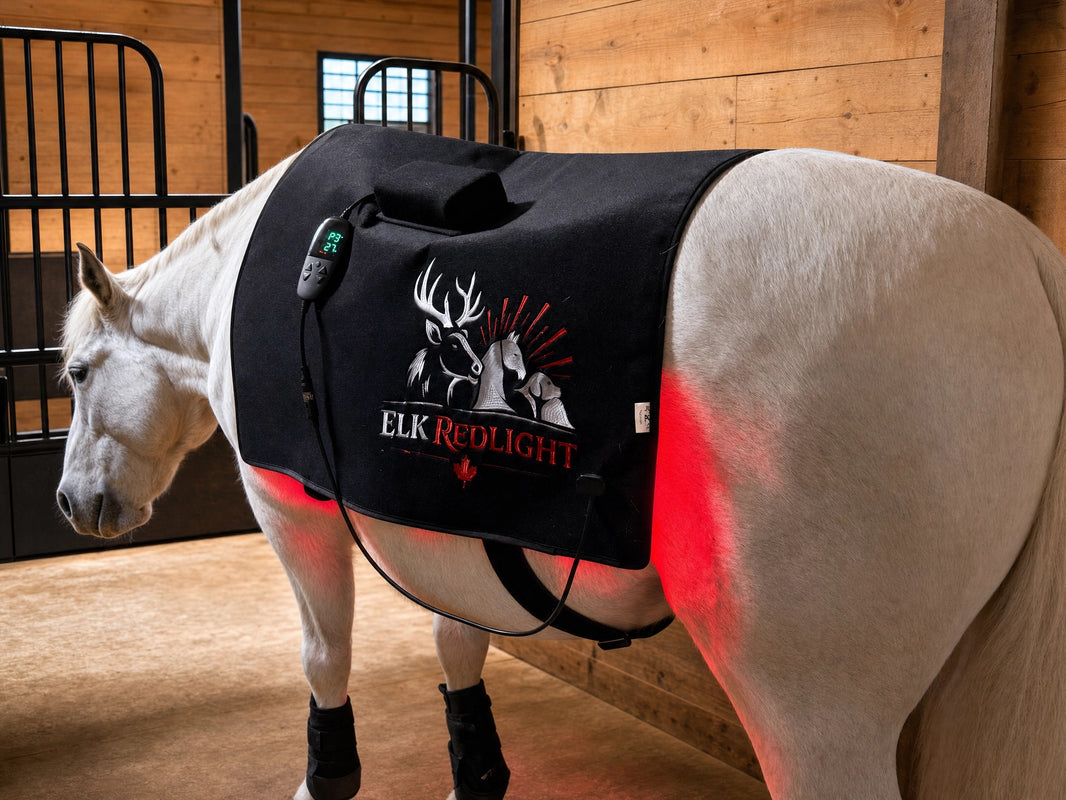
Hard-working horses can develop epaxial muscle tightness, back sensitivity, and reduced flexibility. Tack fit, workload, posture, and compensation can all contribute. Given the clinical back-pain findings, light therapy may be a useful addition for muscular back soreness when the underlying cause is being addressed. A correctly fitted back wrap can also support a post-schooling, travel, or competition recovery routine.
Tendon and Ligament Injuries
Tendons and ligaments require patient, veterinarian-led rehabilitation. The 26-horse study suggests that light therapy can support pain, swelling, and lesion reduction within a structured plan. It should never justify bypassing diagnostic imaging, controlled-exercise milestones, or veterinary oversight.
Joint Inflammation and Hock Issues
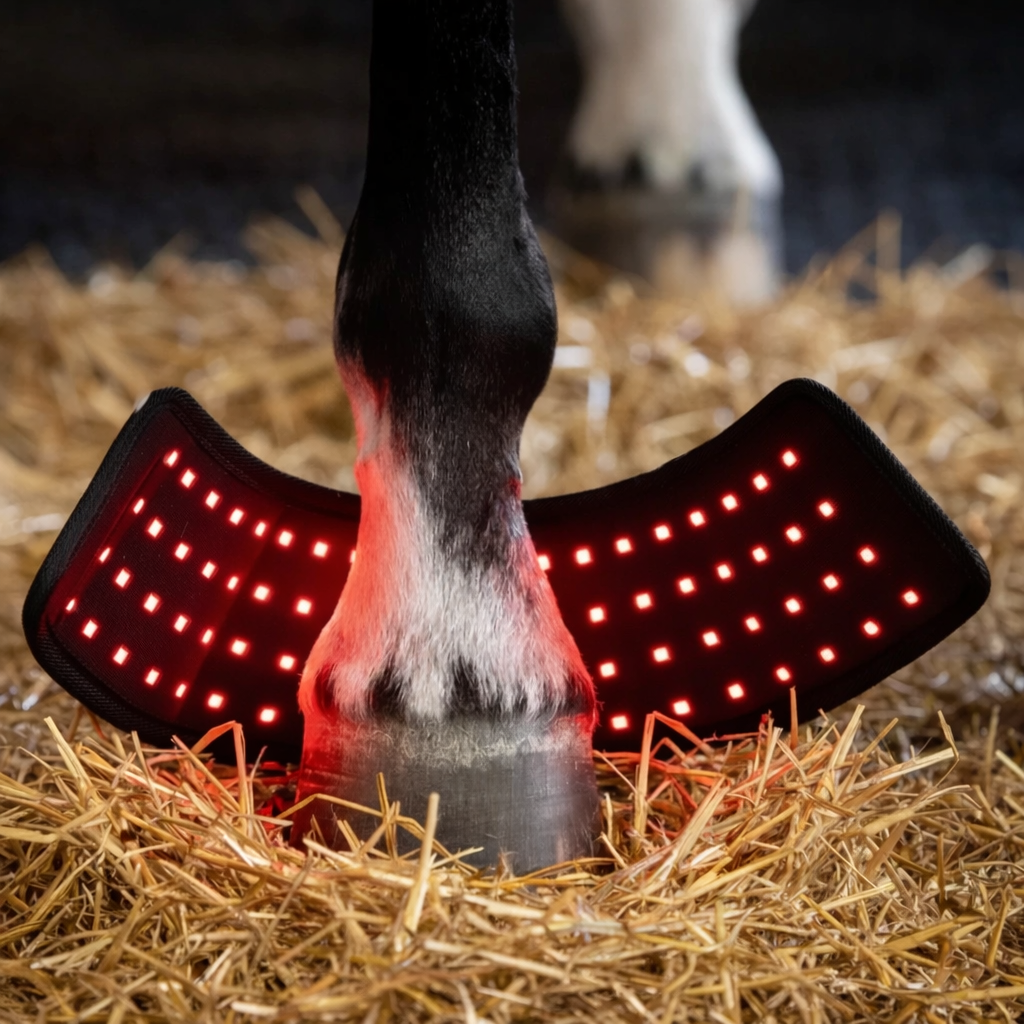
Hocks, stifles, and lower limbs absorb substantial repetitive load. Veterinary photomedicine guidance includes musculoskeletal pain, arthritis, and inflammation among potential laser and LED applications. For diagnosed hock issues, a leg wrap may support comfort in the surrounding soft tissues, but it cannot reverse osteoarthritis or correct a mechanical joint problem.
Kissing Spine Support
Kissing spine involves structural changes to the dorsal spinous processes. Light therapy cannot change bone spacing or replace a treatment plan. It can be used to support the muscle tightness and back discomfort that may accompany the condition, alongside veterinary treatment, saddle-fit assessment, and prescribed rehabilitation.
660 nm vs. 940 nm: Why Wavelength Matters
Not all "red light" devices are alike. Wavelength is measured in nanometres (nm), and it influences which tissues absorb the light and how deeply light may travel. Veterinary guidance describes therapeutic red light as roughly 630–680 nm and near-infrared as roughly 700–1,100 nm.
| Wavelength range | Typical role | Relevance for horses |
|---|---|---|
| 660 nm red light | Visible red light, often selected for surface-oriented targets. | Useful where the treatment goal is closer to the skin, though surface absorption can limit light available to deeper anatomy. |
| 940 nm near-infrared light | Invisible near-infrared light, selected for deeper soft-tissue applications. | Particularly relevant when the intended target is thick back muscle, a tendon region, or tissue around a joint. |
Near-infrared therapy for horses is valuable because longer wavelengths can pass through superficial layers differently than 660 nm red light. In veterinary guidance, near-infrared wavelengths are used when deeper targets are intended, although there is no single "best" wavelength for every condition.
Equine-specific research makes the practical limitation clear. In an ex vivo study, clipping or shaving increased transmission through equine skin, while darker hair and skin, greater skin thickness, and the selected wavelength changed how much light passed through. The study found that 970 nm transmitted better than 800 nm through medium- and dark-coloured skin in that specific setup.
The Role of 940 nm Horse Therapy
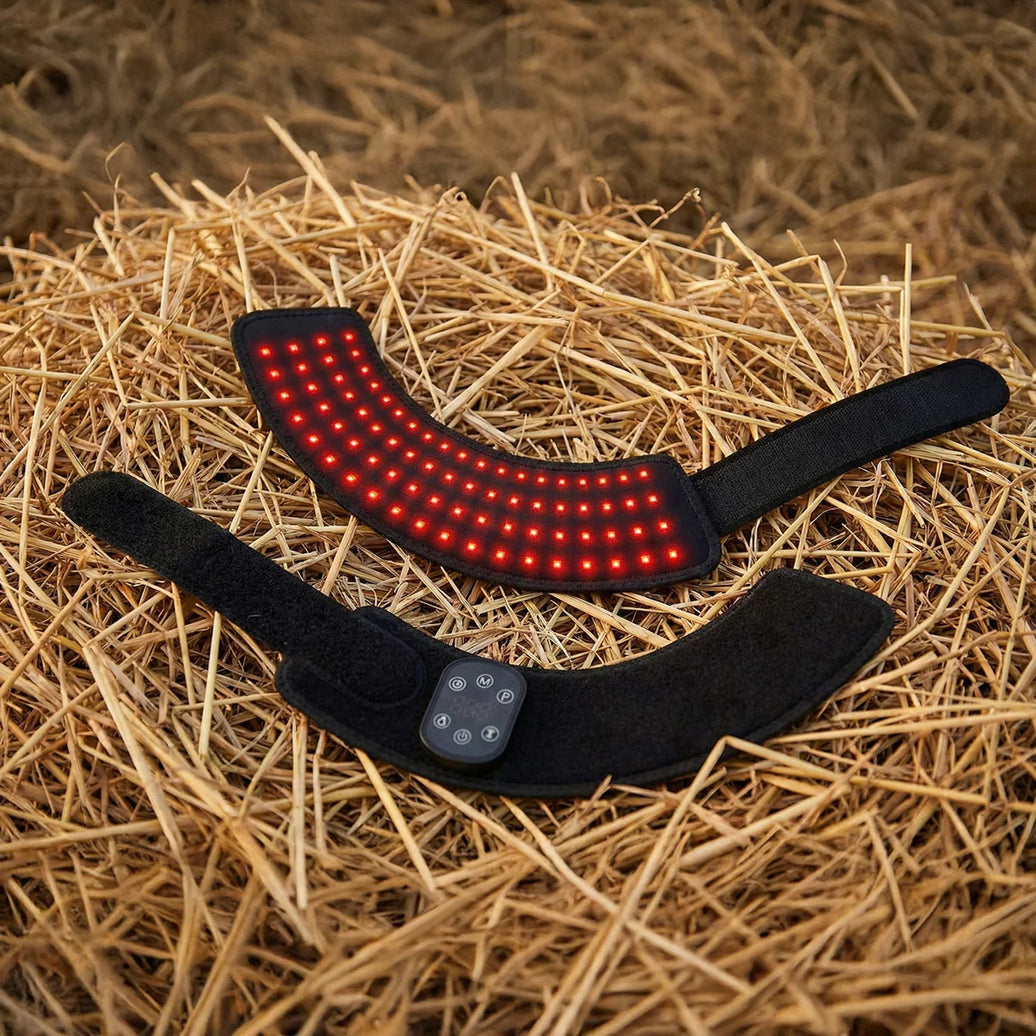
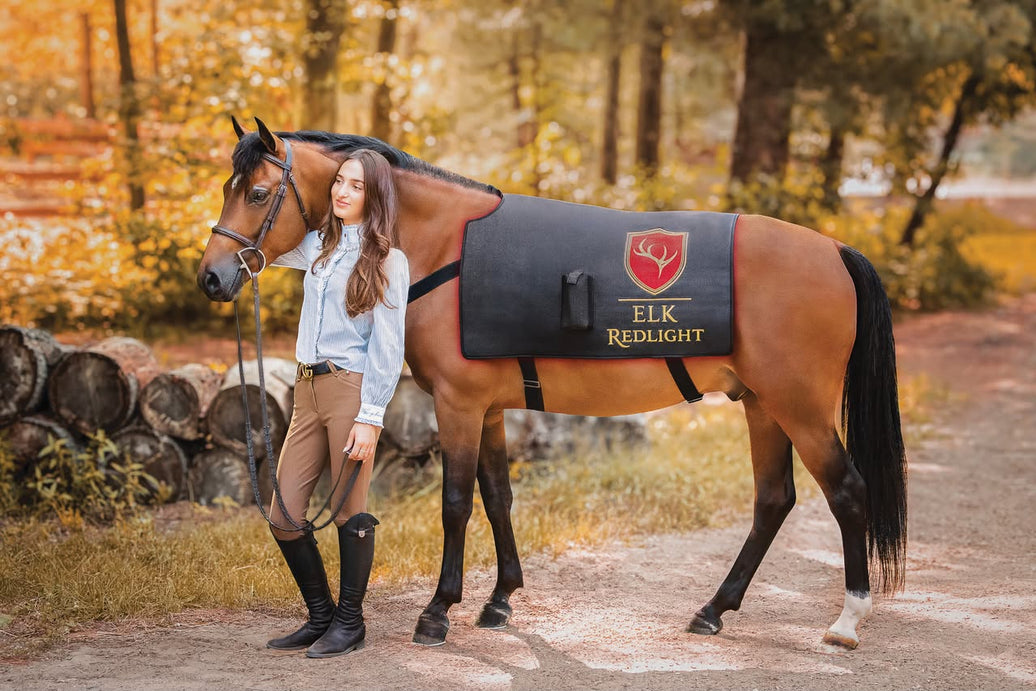
Elk RedLight uses 940 nm horse therapy in its equine back and leg wraps. The brand's 940 nm near-infrared design is positioned to provide up to 50% deeper penetration than standard 660 nm red-light-only configurations. This is a product-design comparison, not a fixed scientific rule for every horse: coat length and colour, pigmentation, tissue depth, wrap fit, and device output all affect delivered light. The practical point is that 940 nm sits in the near-infrared range selected for deeper-tissue applications, rather than relying only on surface-level visible red light.
How to Use Red Light Therapy on a Horse
Start with a veterinary diagnosis if your horse has new lameness, significant swelling, persistent pain, suspected tendon damage, or back pain. Then follow the device instructions for treatment time, placement, and frequency. PBM dosing is not interchangeable between products, so a schedule intended for a high-powered laser should not be copied to an LED wrap.
Frequency and Duration
For an acute, veterinarian-assessed concern, a clinician may recommend a more frequent initial schedule, then reduce frequency as the horse stabilizes. For a maintenance goal such as post-exercise muscle care, use a regular routine based on the product manual and veterinary guidance. Consistency is more valuable than extending sessions beyond the manufacturer's directions.
Ensure the wrap fits securely and makes the recommended contact. Clean, short hair can improve light delivery, especially where the coat is thick. Do not use light therapy around the eyes, over known malignancy, active bleeding, or a pregnant uterus. Consult your veterinarian before use if your horse is taking photosensitising medication or has a complex medical history.
What Results Can You Expect—and When?
For ordinary post-work muscle tightness, owners may notice a softer back, easier grooming response, or freer movement after several correctly applied sessions. For tendon injuries, chronic joint disease, or kissing-spine-related muscle tension, progress should be judged over weeks to months within a veterinary rehabilitation plan—not by one treatment.
Track heat, swelling, palpation sensitivity, stride quality, willingness to work, and workload. If the horse worsens or new lameness appears, stop and seek veterinary advice.
Why Owners Choose Elk RedLight
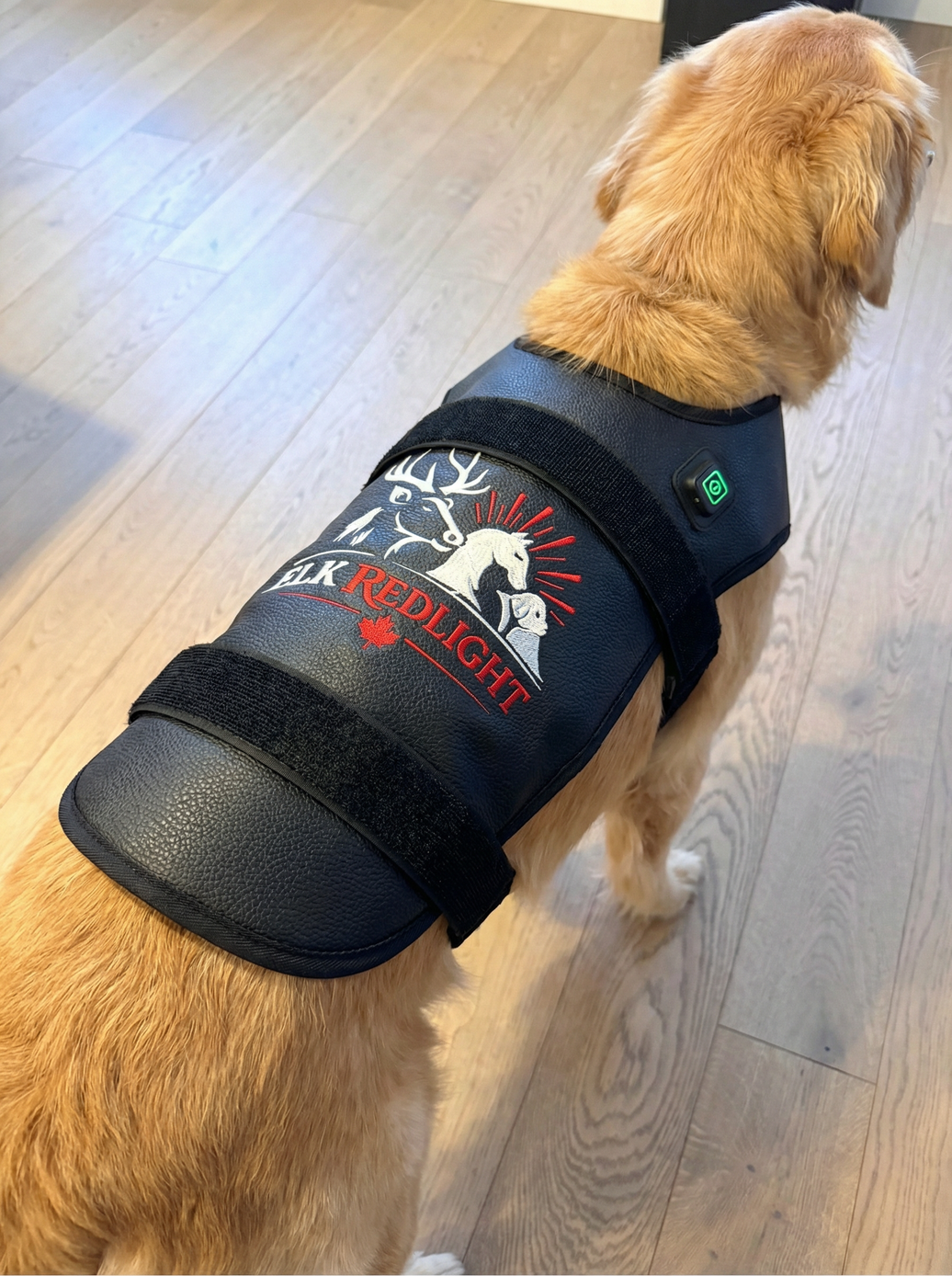
Elk RedLight is a Canadian-made equine red light therapy brand built around daily horse care. Its wireless, rechargeable back wraps and leg wraps make near-infrared support practical in the barn without trailing power cords. The flexible systems are vet-recommended and designed for horses; many owners also use Elk RedLight products to support canine comfort and mobility.
For owners seeking a deeper-tissue option, Elk RedLight's 940 nm near-infrared approach is central to its design. It is a practical fit for broad back musculature, lower-leg structures, and the busy routines that make equine photobiomodulation valuable within a consistent care plan.
Frequently Asked Questions About Red Light Therapy for Horses
Is red light therapy safe for horses?
When used as directed, therapeutic light devices are generally non-invasive. Safety still matters: avoid the eyes, known malignancy, active haemorrhage, hyperactive thyroid tissue, and a pregnant uterus. Ask your veterinarian about use with a young horse, photosensitising medications, or an ongoing medical condition.
Can I use red light therapy on a horse every day?
Do not assume daily treatment is right for every horse or device. Follow the product manual and your veterinarian's guidance, particularly when treating an injury. PBM response is influenced by dose and repetition; more exposure is not automatically better.
Does red light therapy work through a winter coat?
Some light can reach the skin through a coat, but hair can absorb and scatter photons. Equine research found that coat colour and preparation affect transmission; clipping or shaving improved penetration in the study. Follow your device guidance for coat management and contact.
Is 940 nm better than 660 nm for every problem?
No. Red and near-infrared wavelengths are suited to different treatment depths. A visible 660 nm wavelength can be appropriate for superficial targets, while 940 nm near-infrared light is selected for deeper applications. The best choice depends on the target tissue, device specifications, and veterinary plan.
Can red light therapy treat hock arthritis or kissing spine?
It can support comfort in surrounding soft tissue and be part of a multimodal management program, but it cannot reverse arthritis or change the structural bone changes of kissing spine. Horses with these conditions need a diagnosis and treatment plan from their veterinarian.
Can I use Elk RedLight products on my dog?
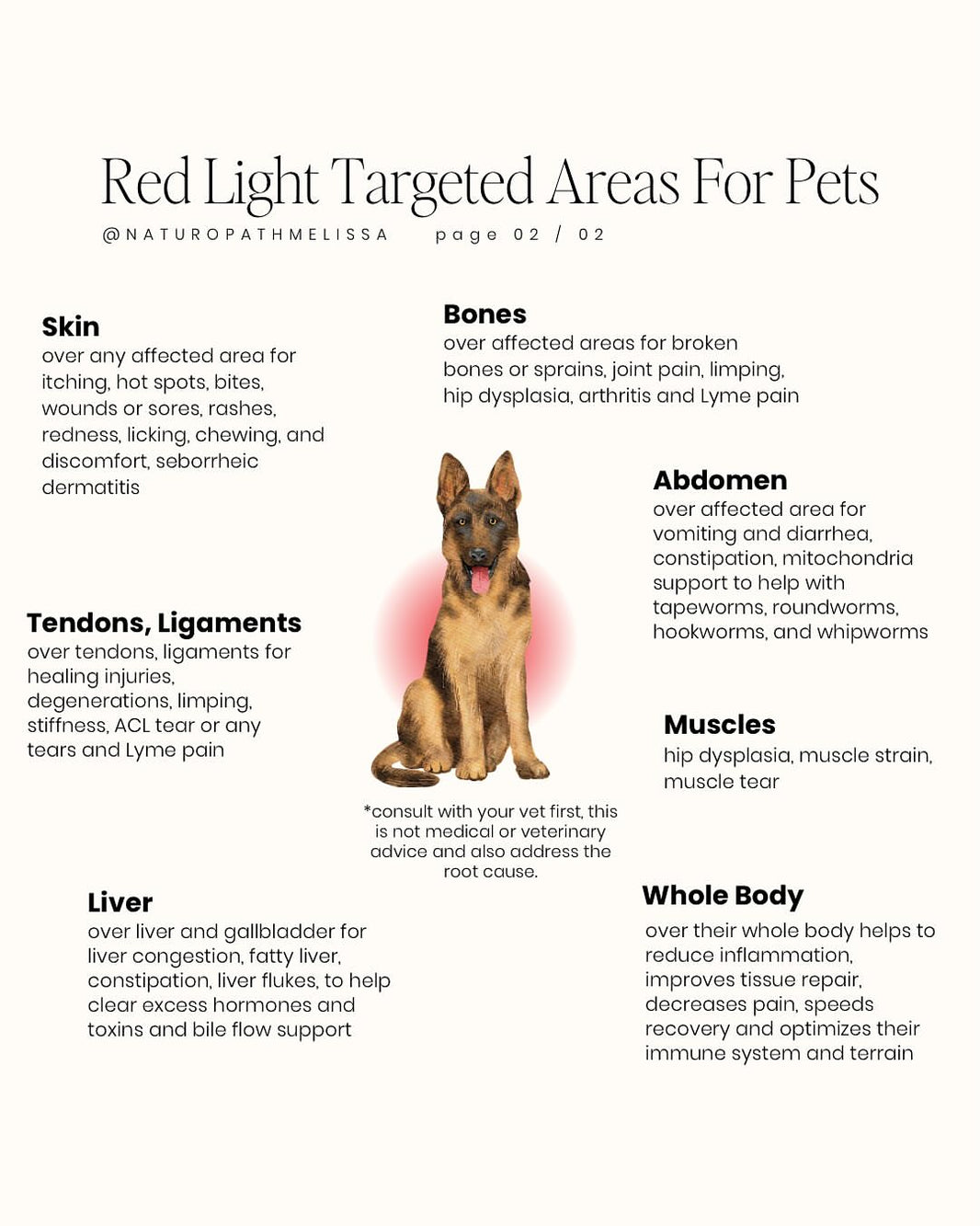
Yes. The cellular principles of photobiomodulation apply across mammals, and Elk RedLight's flexible, rechargeable products are also used by owners to support canine comfort and mobility. Use the product instructions and speak with your veterinarian for a dog with a diagnosed condition.
A Smarter Way to Support Recovery
Red light therapy is not magic, but it is more than a trend. When thoughtfully applied, it can be a valuable supportive tool for equine comfort, muscle recovery, soft-tissue rehabilitation, and inflammation management. The strongest results come when it is paired with accurate diagnosis, sound horsemanship, appropriate training changes, and veterinary guidance.
To explore Canadian-made, wireless, rechargeable 940 nm near-infrared back and leg wraps, visit Elk RedLight. Give your horse a deeper-reaching recovery routine—Heal Deeper. Recover Faster.
References
- Robinson, N. G. "Photomedicine in Veterinary Patients." Merck Veterinary Manual (updated 2025).
- Zein, R., Selting, W., & Hamblin, M. R. "Review of light parameters and photobiomodulation efficacy: dive into complexity." Journal of Biomedical Optics (2018).
- Haussler, K. K., et al. "Effects of Low-Level Laser Therapy and Chiropractic Care on Back Pain in Quarter Horses." Journal of Equine Veterinary Science (2020).
- Pluim, M., et al. "Effects of High Intensity Laser Therapy in the Treatment of Tendon and Ligament Injuries in Performance Horses." Animals (2020).
- Duesterdieck-Zellmer, K. F., et al. "Ex vivo penetration of low-level laser light through equine skin and flexor tendons." American Journal of Veterinary Research (2016).