Watching your dog slow down — struggling to get up, hesitating on stairs, favouring a leg — is hard. Arthritis is one of the most common conditions in dogs, affecting an estimated 1 in 5 adult dogs and up to 80% of dogs over age 8. More pet owners are now turning to red light therapy as a drug-free, non-invasive option to help manage pain and support mobility. But does it actually work?
Here's what the science says — and what to look for if you're considering a red light therapy wrap for your dog.
What Is Red Light Therapy for Dogs?
Red light therapy (also called photobiomodulation or PBMT) uses specific wavelengths of red and near-infrared light to penetrate tissue and stimulate cellular repair. At the cellular level, it activates mitochondria — the energy centres of cells — increasing the production of ATP (adenosine triphosphate), which fuels tissue repair, reduces inflammation, and supports circulation.
It's the same science used in human physiotherapy and sports recovery, now widely applied in veterinary care.
How Does It Help Dogs with Arthritis?
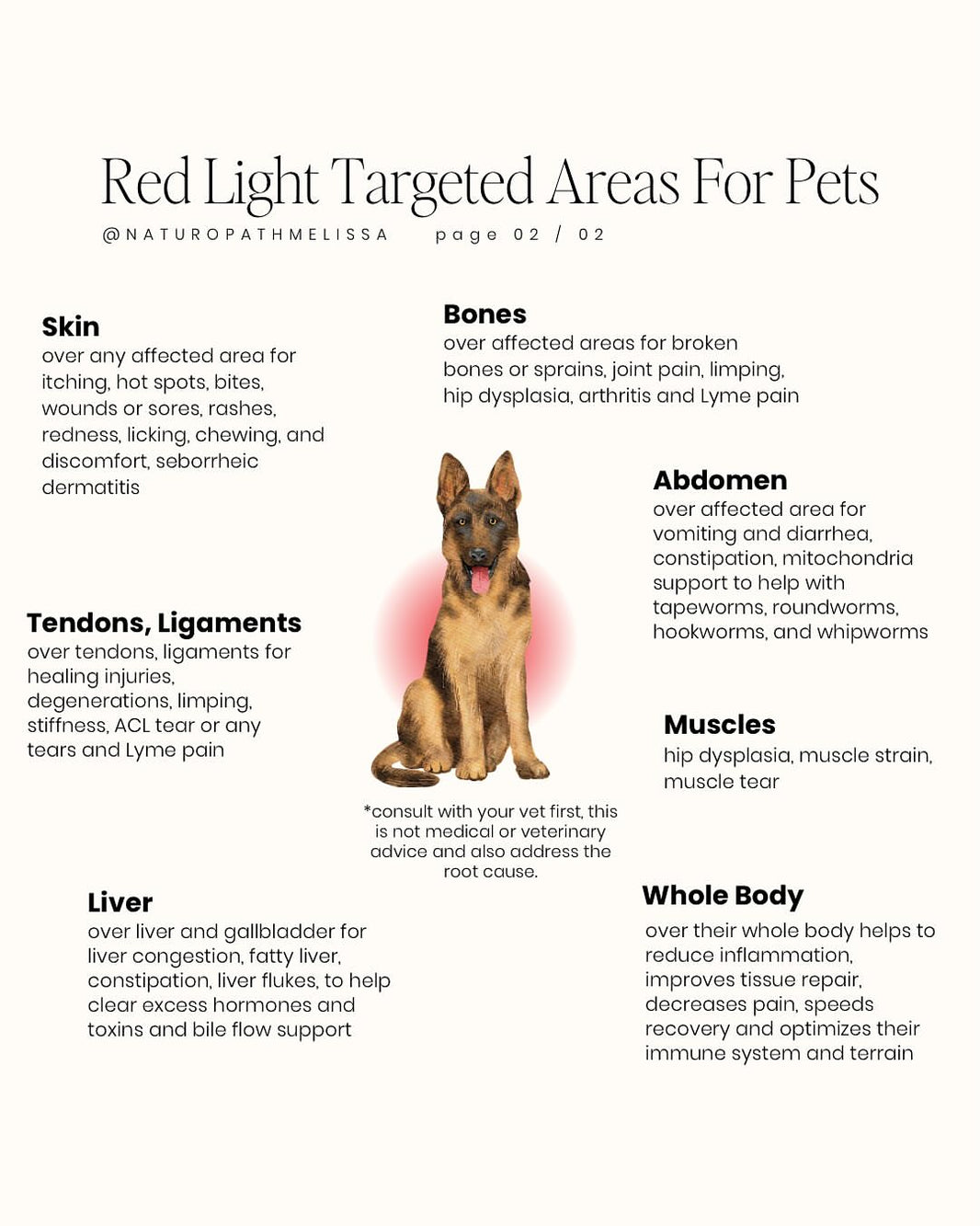
Arthritis causes chronic inflammation in the joints, leading to cartilage breakdown, pain, and reduced range of motion. Red light therapy addresses several of the underlying mechanisms:
- Reduces inflammation — near-infrared wavelengths penetrate deep into joint tissue, helping to reduce pro-inflammatory cytokines
- Supports circulation — improved blood flow brings oxygen and nutrients to damaged tissue
- Relieves pain — PBMT has been shown to modulate pain signalling pathways, offering relief without medication
- Slows cartilage degradation — some studies suggest photobiomodulation may support cartilage health over time
What Does the Research Show?
A growing body of veterinary research supports the use of PBMT for canine musculoskeletal conditions. Studies have shown measurable improvements in gait, mobility scores, and owner-reported quality of life in arthritic dogs treated with red light therapy. It is increasingly used by veterinary rehabilitation specialists as part of a multimodal pain management approach.
Is a Red Light Therapy Wrap Right for Your Dog?
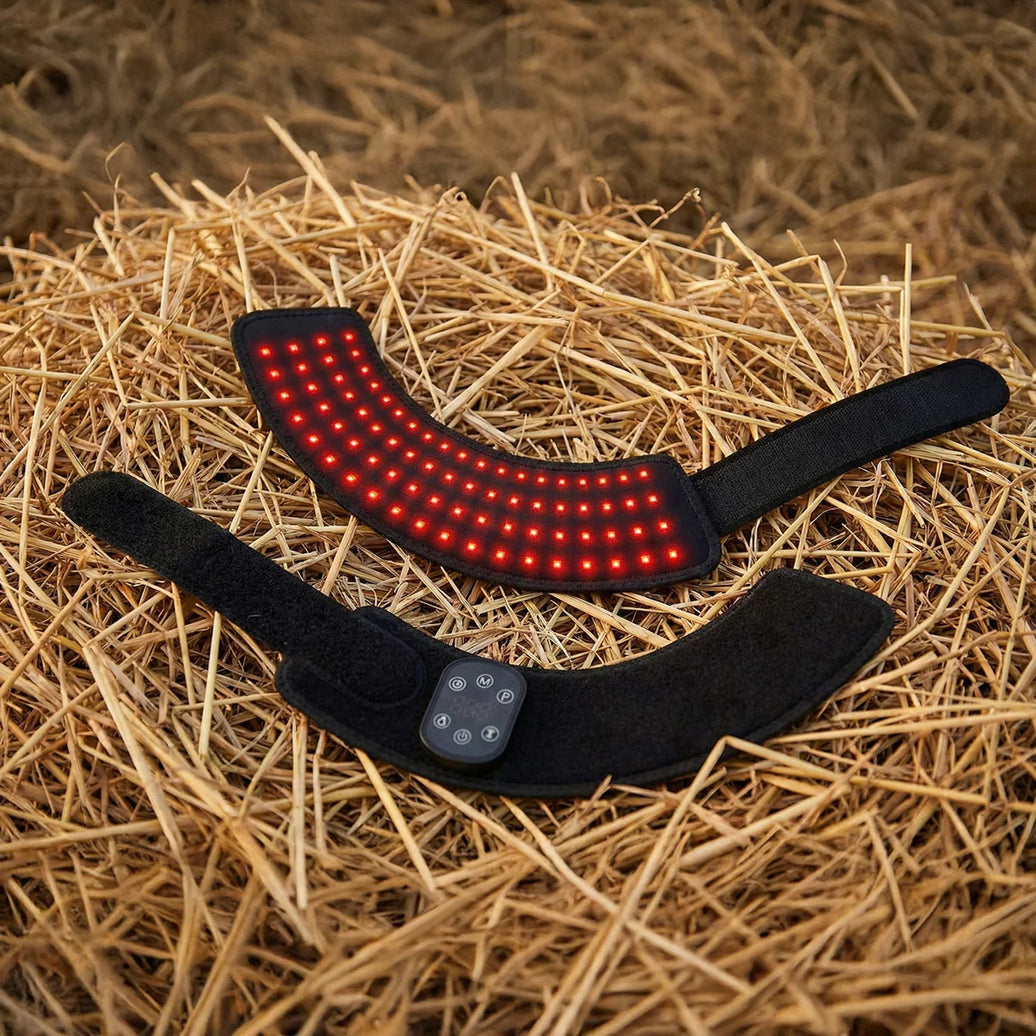
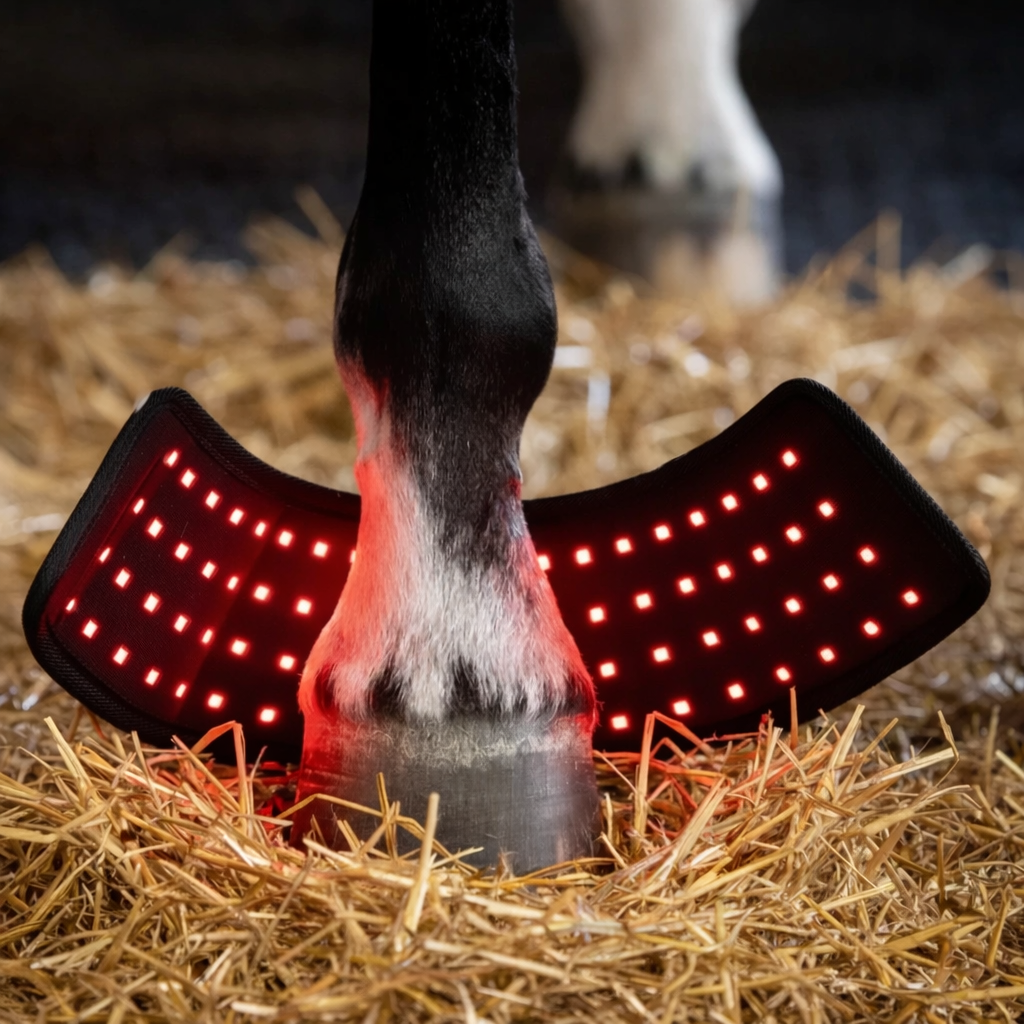
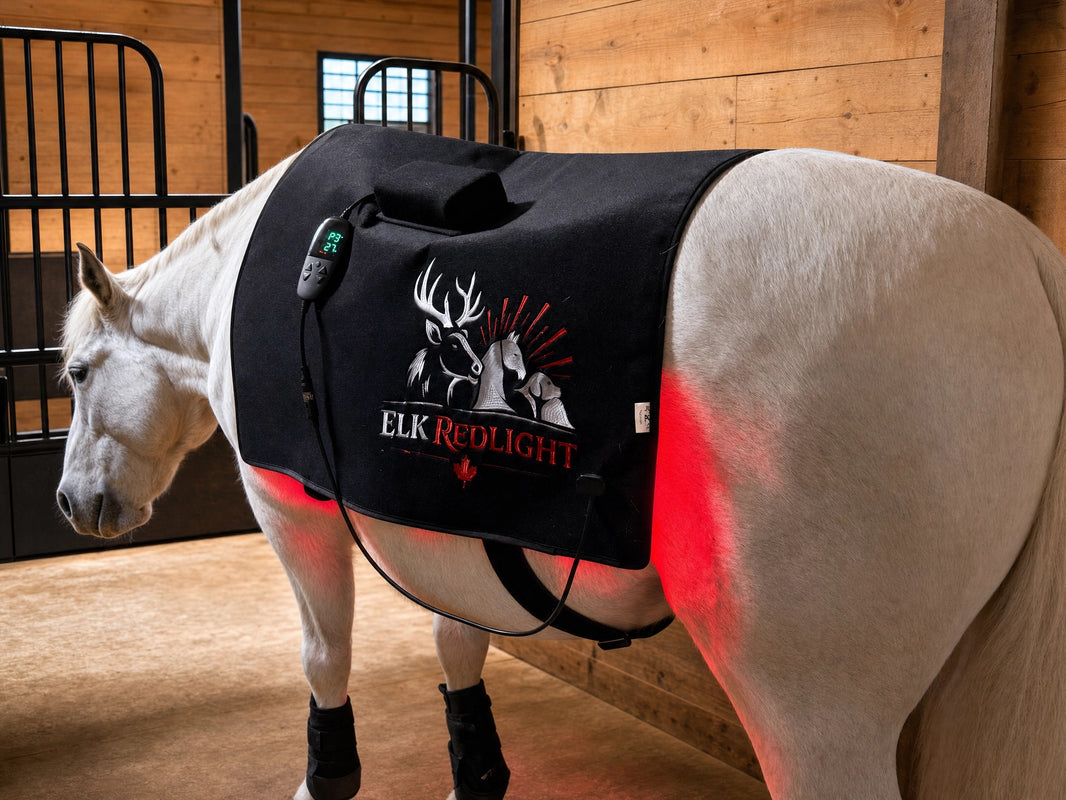
A wearable wrap delivers consistent, hands-free treatment directly over the affected area — ideal for dogs with back, hip, or joint arthritis. Key things to look for:
- Clinically relevant wavelengths (typically 630–670nm red and 800–850nm near-infrared)
- Adequate power output for tissue penetration
- A secure, comfortable fit your dog will tolerate
- Ease of use for at-home sessions
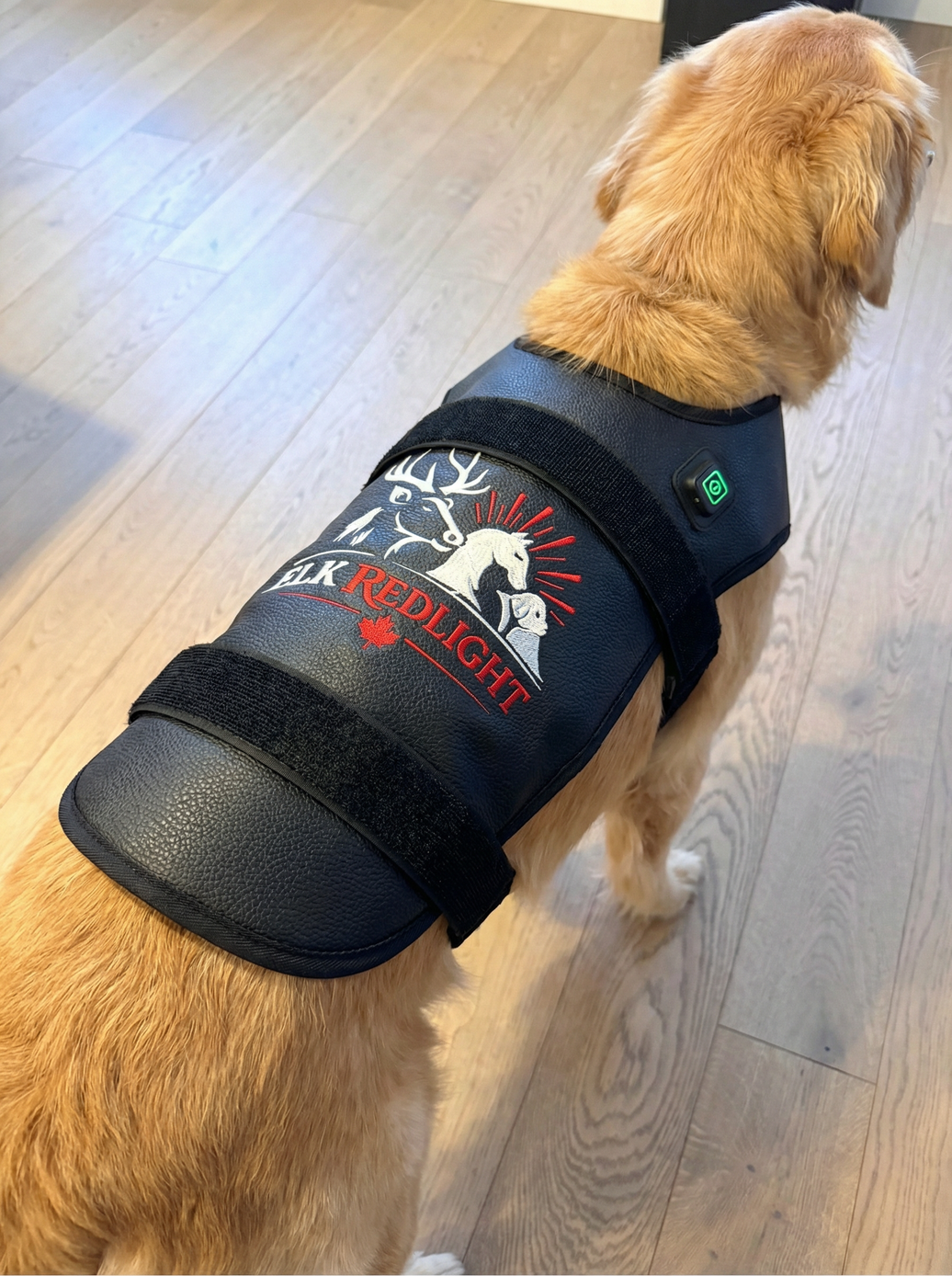
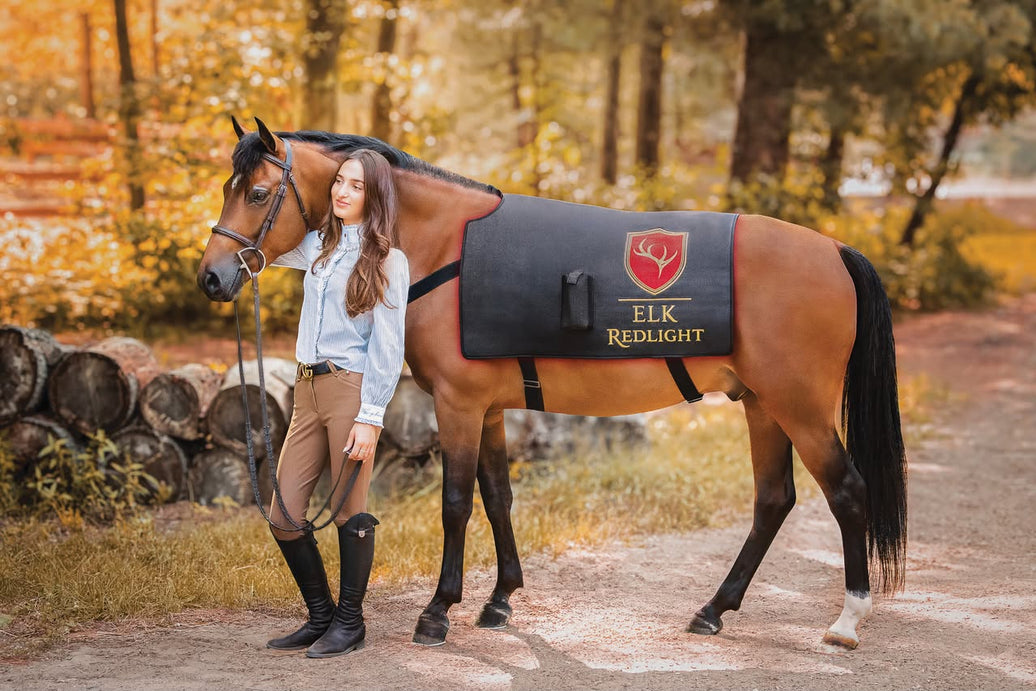
The ELK Large Dog Back Red Light Therapy Wrap is designed specifically for canine anatomy, delivering targeted red and near-infrared light to the back and topline — one of the most common areas affected by arthritis and age-related stiffness in dogs.
How to Use It
Most dogs benefit from sessions of 10–20 minutes, once or twice daily. Results are typically gradual — many owners notice improved mobility and willingness to move within 2–4 weeks of consistent use. Red light therapy works best as part of a broader wellness routine that may include veterinary care, appropriate exercise, and joint-supportive nutrition.
Always consult your veterinarian before starting any new therapy, especially if your dog has an existing diagnosis or is on medication.
The Bottom Line
Red light therapy is backed by a growing body of science and is increasingly recommended by veterinary rehabilitation professionals for dogs with arthritis. A wearable wrap makes it practical for daily at-home use — giving your dog the benefit of consistent treatment without clinic visits.